A centralized software platform is used to manage all incoming non-emergency requests and citizen service request management interactions for a city. It helps cities and local governments organize service requests, track responses, and improve communication with residents. As communities grow, handling calls, emails, and walk-ins manually becomes difficult. A digital solution brings all service requests into one structured system, reducing delays and improving visibility across departments.
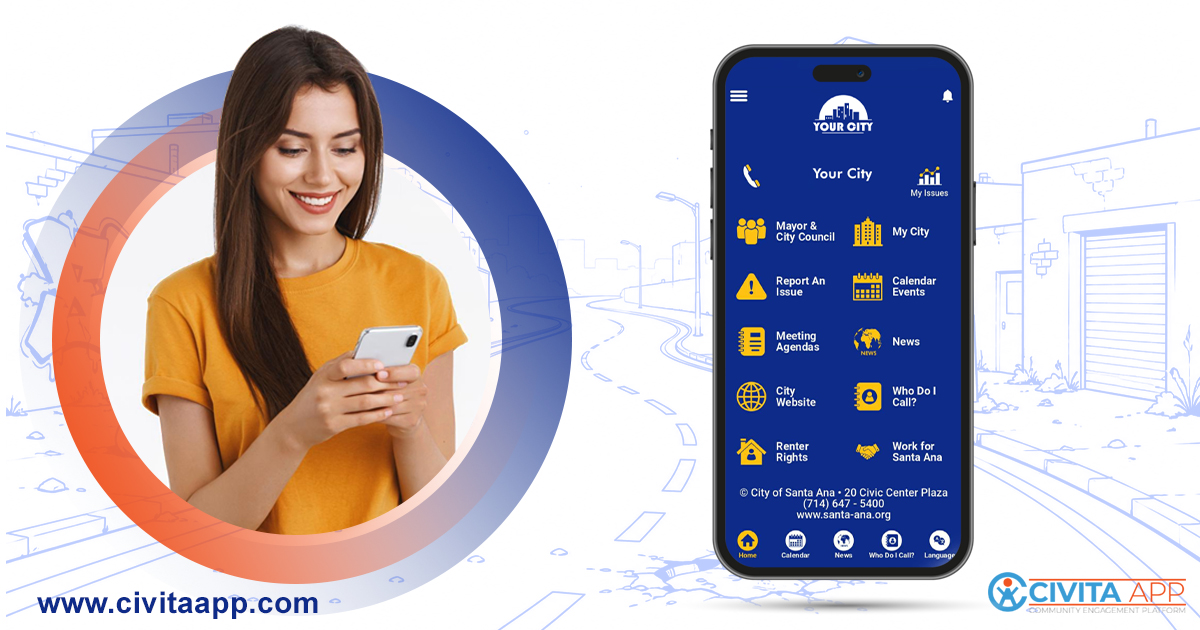
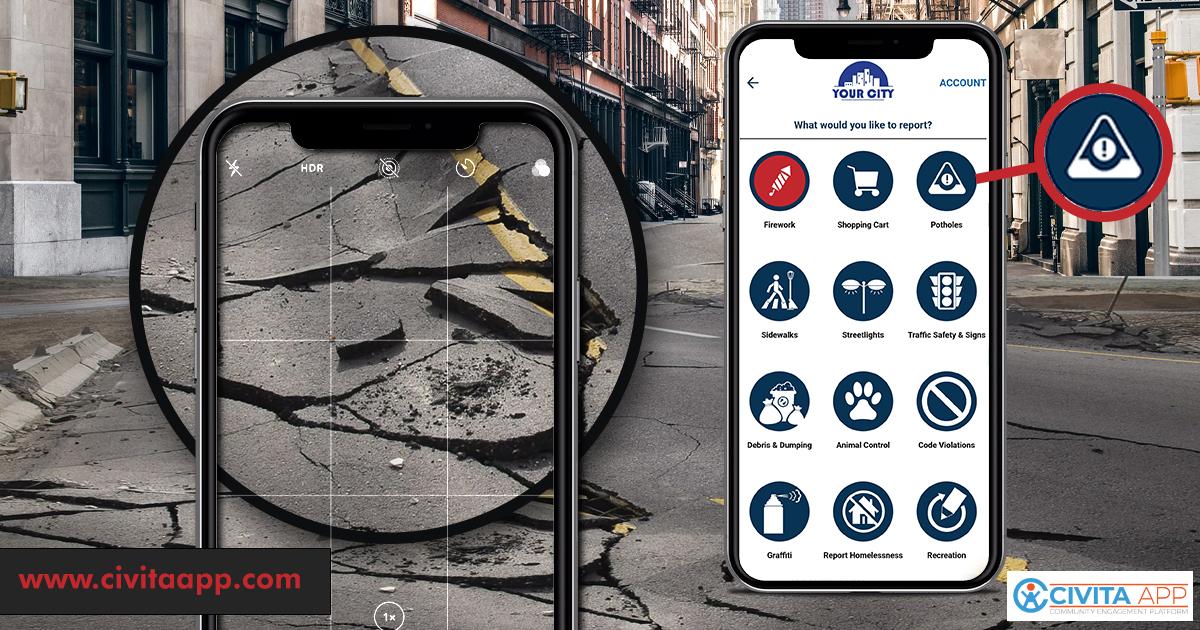
All non-emergency service requests such as potholes, missed trash pickup, streetlight issues, or noise complaints are collected in one place. Requests can be submitted through mobile apps, web portals, or call centers. Each request is logged, categorized, and stored within the system. City staff can view, manage, and respond to requests without switching between multiple tools or spreadsheets, making daily operations more organized.
Improved Communication With Citizens
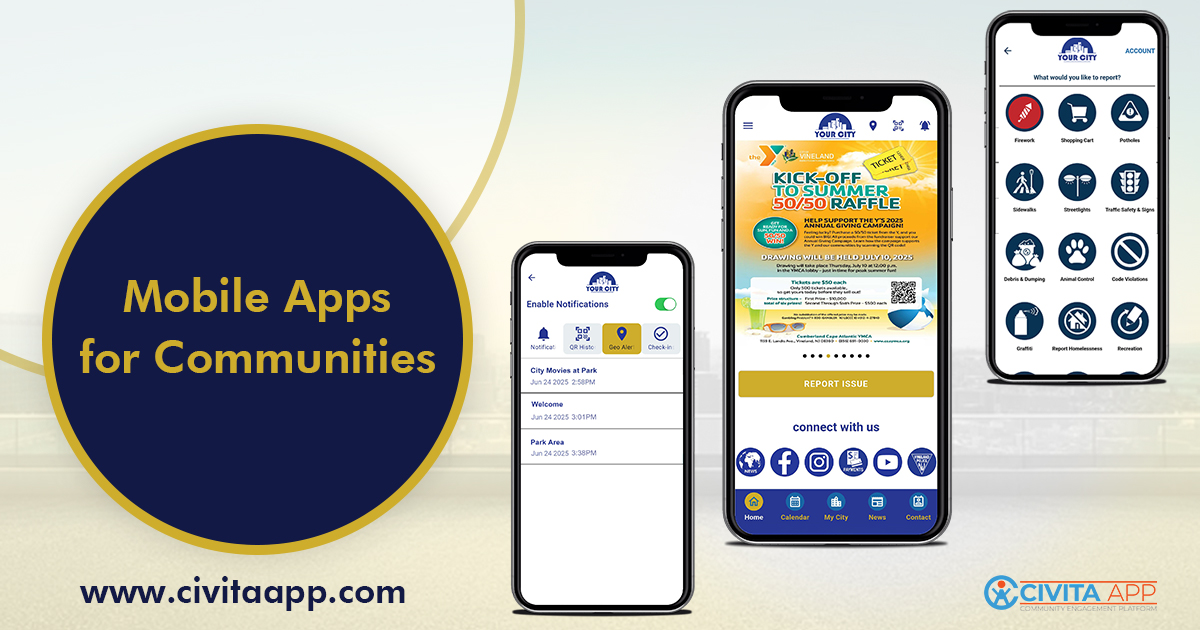
Two-way communication between residents and city departments is supported throughout the request lifecycle. Status updates are shared automatically as requests move through different stages. Citizens are notified when a request is received, assigned, or resolved. This transparency helps reduce repeated follow-ups and keeps residents informed without additional effort from staff.
Better Coordination Across Departments
Requests are routed to the appropriate department based on location and issue type. Work orders can be assigned to field teams, and progress is tracked in real time. Because all departments operate within a shared system, collaboration becomes more efficient. Duplicate requests are minimized, and response times can be monitored consistently.
Data-Driven Insights for City Planning
Service request data is captured and organized to support reporting and analysis. Dashboards highlight trends such as high-volume request types, response timelines, and recurring issues. These insights help city leaders prioritize resources and address concerns before they escalate into larger problems.
Multilingual access and mobile availability allow residents to submit requests at any time, from anywhere. This accessibility removes barriers to participation and encourages stronger engagement across diverse communities.
By managing citizen interactions and service requests in one system, Civita App supports transparent, responsive, and well-coordinated city operations. It provides local governments with a practical way to manage daily service demands while maintaining clear communication with residents. Civita App helps cities stay connected, organized, and responsive as community needs continue to grow.