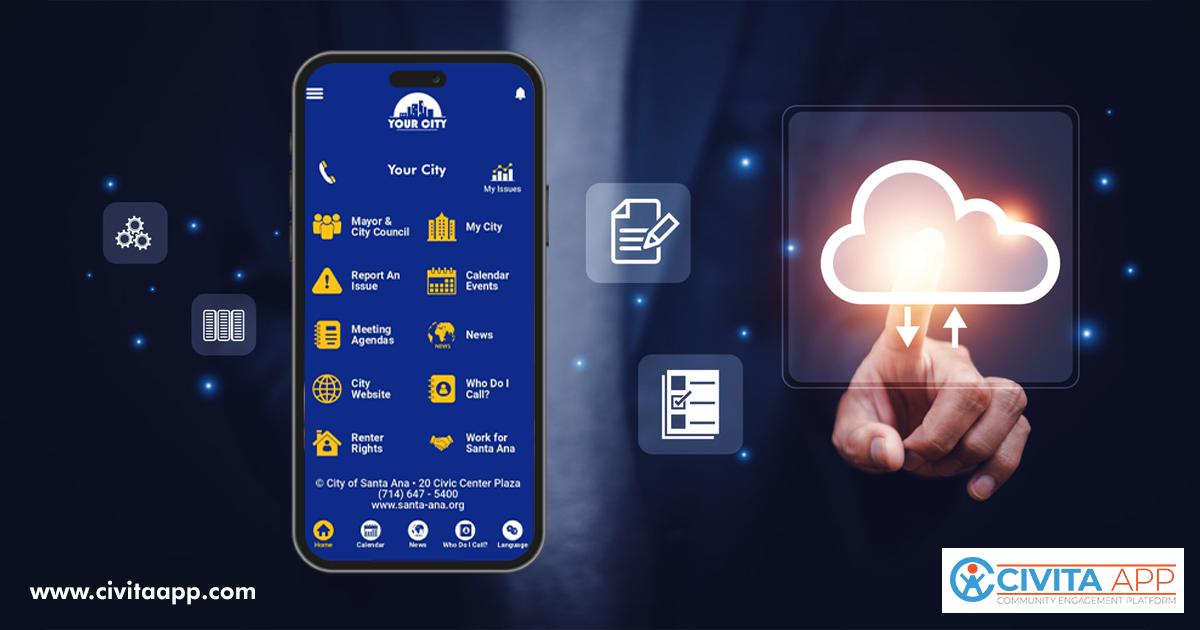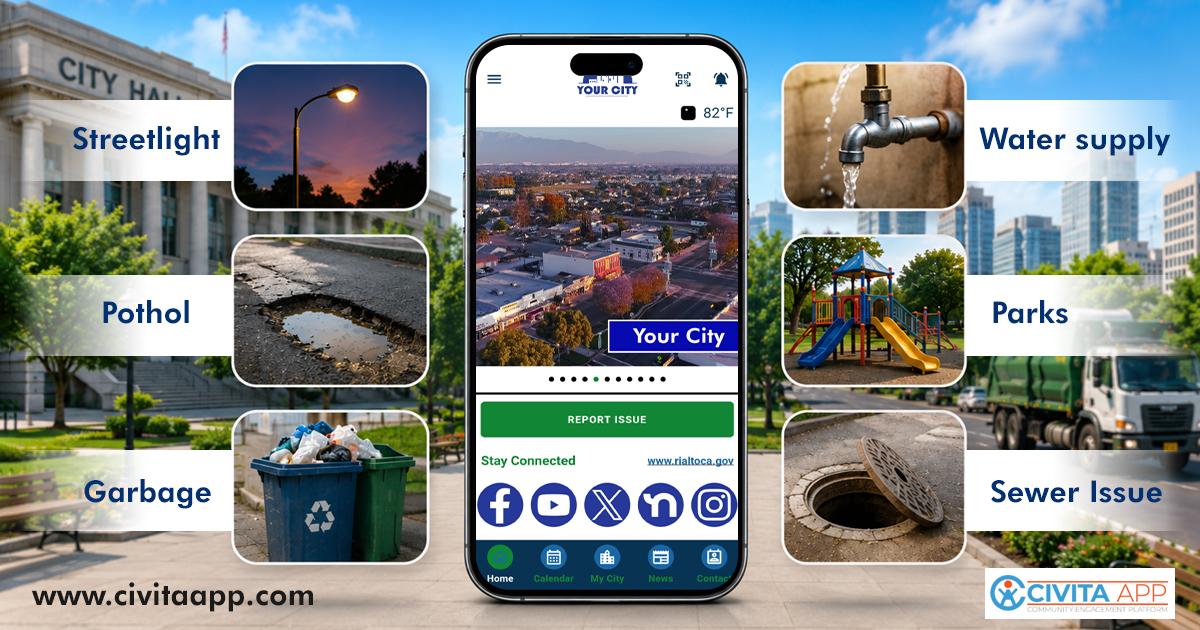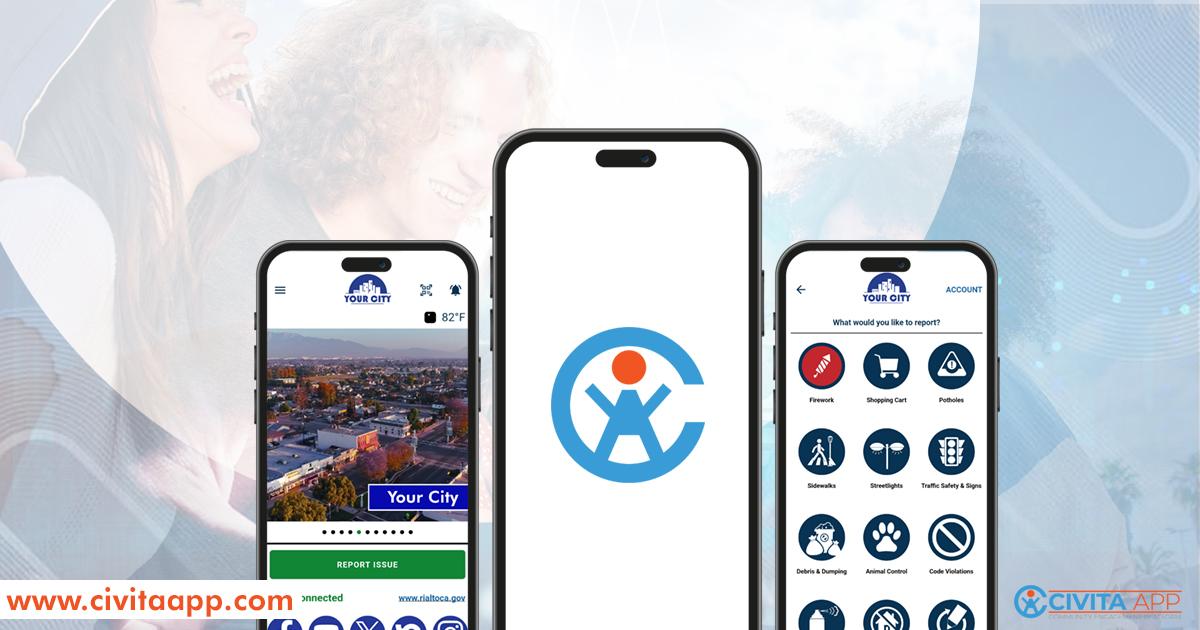
At 7:30 a.m., a resident notices a fallen street sign near a school. Traffic is already building. In the past, the issue might have been reported hours later, if it was reported at all. Today, a quick photo was taken, a short note was submitted, and the issue was already visible to city staff before the school bell rings. This simple moment shows how expectations around public communication have changed. Residents now want to be heard instantly, clearly, and without friction. A community engagement app is increasingly being used to support this new way of connecting cities with the people they serve.
Most platforms focus on service requests, but engagement goes further. Residents want updates, context, and acknowledgment. When communication is two-way, trust is built. With a unified platform, messages are not only sent but received, tracked, and responded to in one place. This creates a more complete engagement loop that many systems fail to address.
Community Engagement Platform for Daily Civic Moments
Engagement is not limited to emergencies or complaints. It happens in small, daily moments, event reminders, service notices, community updates, and feedback requests. When these interactions are managed through one platform, participation feels natural rather than forced. Over time, residents stay informed without being overwhelmed.
This everyday engagement is often overlooked, yet it plays a major role in long-term adoption.
Mobile Access That Reduces Participation Gaps
Not all residents attend meetings or follow city websites. Mobile access helps close this gap. When tools are available on phones, participation becomes more inclusive. Feedback can be shared during a lunch break, on a commute, or after work. This flexibility encourages voices that are often missing from traditional engagement methods.
Behind-the-Scenes Value for City Teams
What is rarely discussed is how internal workflows benefit. Requests, messages, and feedback are stored with context, location, history, and status. This reduces repeated follow-ups and manual coordination. Teams work with clearer data, while residents see consistent communication. Less time is spent searching, and more time is spent responding.
Trust is built when residents feel acknowledged. Automated responses are helpful, but visibility matters more. Status updates, progress notifications, and resolution messages show that input leads to action. Civita App supports this transparency by keeping communication open from start to finish.
In conclusion, Civita App supports this connected experience by bringing communication, participation, and service access into one mobile-friendly platform, designed for how communities engage today.