Cities are changing how non-emergency services are delivered. Phone calls, emails, and office visits are no longer enough to meet resident expectations. In 2026, faster responses, clear communication, and mobile access are expected when local concerns are reported. Because of this shift, citizen service request apps have become an important part of modern city operations.
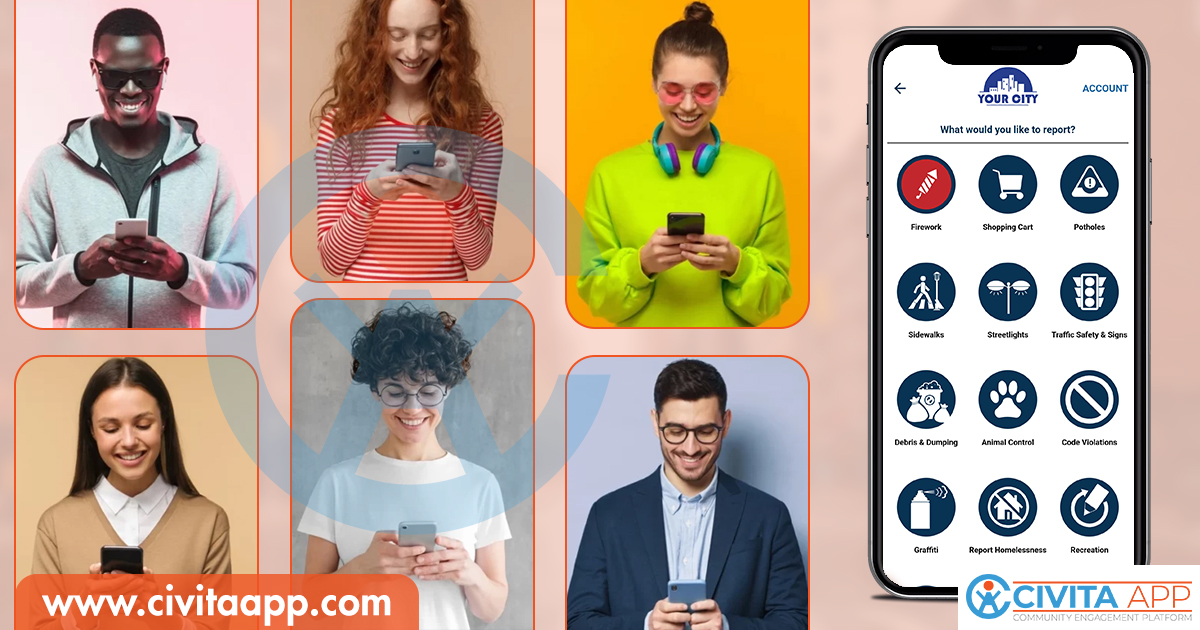
Residents now prefer to report issues using their smartphones or desktops. Potholes, streetlight outages, missed pickups, and other non-emergency concerns are submitted digitally. This approach saves time and removes the need to wait during business hours. As a result, service requests are captured when issues occur, not hours or days later.
Mobile Access Supports Faster Reporting
Mobile access plays a major role in adoption. When reporting tools are easy to use, participation increases. Photos, locations, and short descriptions are shared directly from the field. This reduces back-and-forth communication and helps city teams understand the issue clearly from the start.
For residents, fewer steps are required. For staff, better information is received. Over time, service workflows become more consistent and easier to manage.
Clear Updates Build Trust with Residents
One area often overlooked is communication after a request is submitted. Residents want to know what happens next. With digital service request apps, updates are shared as requests move through different stages. Status changes, progress notes, and resolution messages are visible without follow-up calls.
This transparency helps build trust. When residents see that their input is acknowledged and tracked, confidence in city services is strengthened.
Centralized Requests Improve City Operations
From an operational view, requests are stored in one system instead of scattered across emails or calls. History, location, and category data are maintained for each request. This allows trends to be identified and resources to be planned more effectively.
Non-emergency issues are prioritized based on real data rather than assumptions. Over time, service delivery becomes more predictable and measurable.
Designed for Today’s Digital Expectations
Civita App has been designed to support how residents interact with cities today. Requests are submitted digitally, updates are shared clearly, and access is provided across devices. This approach supports both residents and city teams without adding complexity.
In 2026, digital service delivery is no longer optional. Civita App supports this shift by helping cities manage non-emergency requests in a way that matches modern expectations.